In today’s fast-moving world, safety at home matters more than ever. Families want to feel calm and protected when they sleep, work, or travel. With rising concerns about theft, trespassing, and online-connected devices, Home Security has become a basic need instead of a luxury. Modern technology has changed the way people protect their homes. From smart cameras to motion sensors and mobile alerts, today’s systems are smarter, faster, and easier to use.
This guide from Deep Dive Picks explores everything you need to know about Home Security in simple, clear language. You will learn how different systems work, how to choose the right setup, and how smart technology is changing home protection. Real-life examples and easy explanations will help you understand how these tools keep families safer every day.
Understanding Home Security and Why It Matters
Home Security means using tools and systems to protect your house, family, and belongings from danger. These dangers include burglary, fire, gas leaks, and even online threats connected to smart devices. A strong security system acts like a shield around your home. It helps stop problems before they happen and alerts you when something is wrong.
Years ago, people relied mostly on strong doors and simple locks. Today, security is much more advanced. A modern system can send alerts to your phone, record video, and even call for emergency help automatically. These changes have made protection faster and more reliable than ever before.
Safety is not only about stopping crime. It is also about peace of mind. When you know your home is protected, you can relax at work, sleep better at night, and travel without constant worry.
How Home Security Has Evolved Over Time
Early security methods focused on physical barriers. Thick doors, iron gates, and window grills were the main defenses. While these still help, they are no longer enough on their own. Criminals have become smarter, and so has technology.
The first electronic alarm systems became popular decades ago. These systems used loud sirens to scare off intruders and alert neighbors. Over time, motion sensors and control panels were added for better detection.
Today, Home Security combines physical protection with digital intelligence. Smart cameras can recognize faces. Doorbells can show live video to your phone. Sensors can detect movement, sound, heat, smoke, and even water leaks. This evolution shows how safety has become smarter and more connected.
Core Components of a Modern Home Security System
A complete system usually includes several key parts working together. Each part plays a specific role in protecting your home.
Common components include:
- Control panel that acts as the brain of the system
- Security cameras for indoor and outdoor monitoring
- Motion sensors to detect movement
- Door and window sensors to detect entry
- Sirens or alarms to scare off intruders
- Mobile apps for remote control and alerts
When these tools work together, they create a strong safety net around your home. Even if one layer fails, others can still provide protection.
Smart Home Security and Connected Living
Smart technology has changed how people use Home Security. Instead of checking a wall panel, users can now control everything from a smartphone. You can lock doors, view cameras, and receive alerts from anywhere in the world.
Smart systems also work with voice assistants. For example, you can ask a smart speaker to arm your system before going to bed. You can also receive warnings if a door is opened when no one should be home.
Connected living makes security more personal. You can set custom alerts for specific events, such as when your child comes home from school or when a delivery arrives.
Types of Home Security Systems Available Today
There are several types of systems designed for different needs and budgets. Understanding them helps you make a better choice.
One type is the wired system. These systems connect through cables and are often installed during home construction. They are very stable but harder to change later.
Wireless systems are more popular today. They use Wi-Fi or cellular signals and are easier to install. These are perfect for apartments and rental homes.
Monitored systems connect to a professional security center. If something goes wrong, trained staff respond right away. Unmonitored systems only alert the homeowner through phone notifications.
Both options have value. Monitored systems are best for those who want round-the-clock backup. Unmonitored systems are often cheaper and give users full control.
Security Cameras and Visual Protection
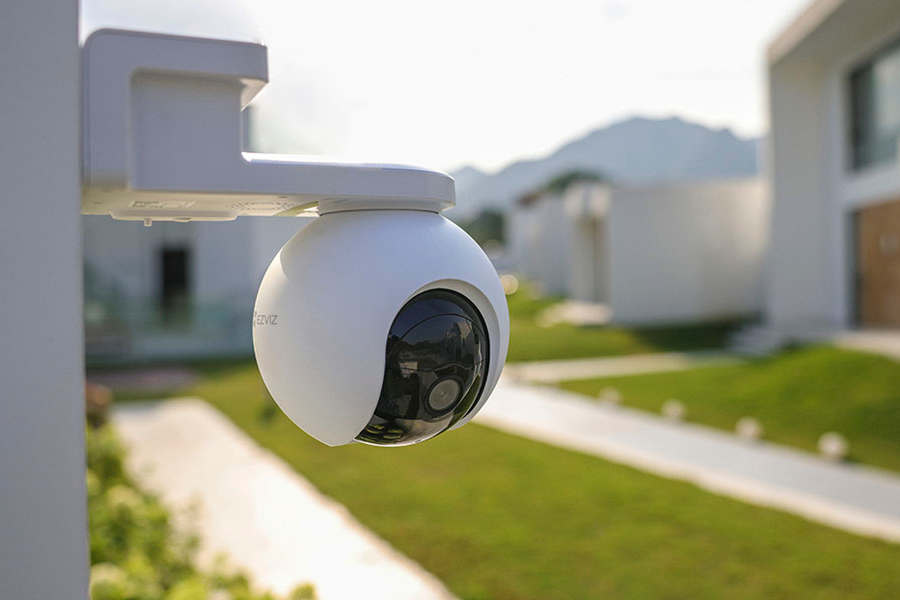
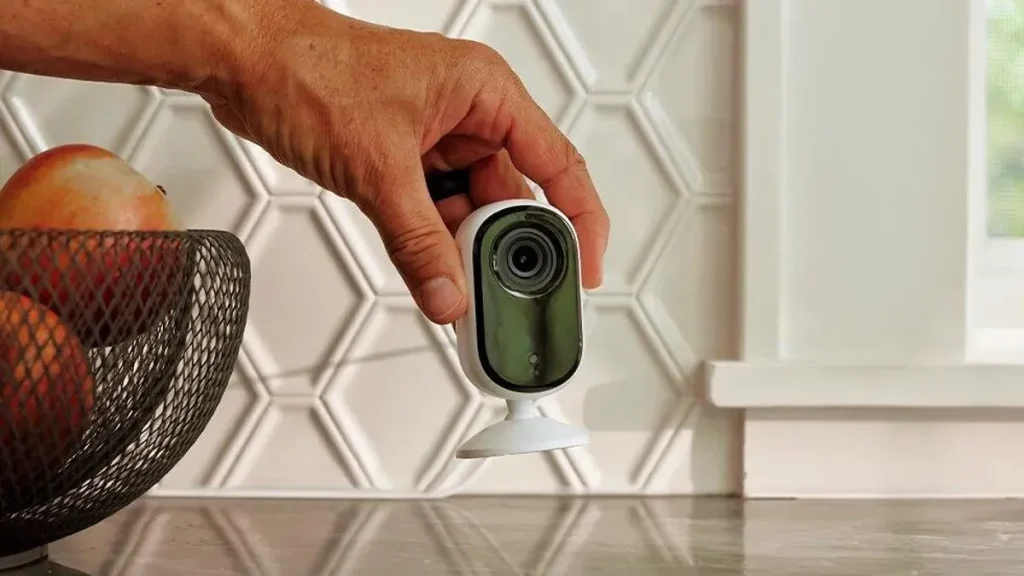
Security cameras are one of the most powerful tools in Home Security. They allow homeowners to see what is happening in real time and review recordings later. Cameras act as both a warning and a record of events.
Indoor cameras help watch over children, pets, and entry points. Outdoor cameras protect driveways, yards, and front doors. Many modern cameras offer night vision, high-definition video, and two-way audio.
Two-way audio lets you speak through the camera. For example, you can talk to a delivery driver or warn someone to leave your property. This adds another layer of control and safety.
Smart Doorbells and Entry Monitoring
Smart doorbells combine cameras, microphones, and motion sensors into one small device. They are now one of the most popular Home Security tools. When someone approaches your door, you receive an alert on your phone. You can see who is there and speak to them without opening the door.
This is especially useful for preventing porch theft. If someone tries to steal a package, the camera records their face and actions. Many thieves walk away as soon as they realize they are being watched.
Smart doorbells also help families track visitors, service workers, and unexpected guests with ease.
Motion Sensors and Intrusion Detection
Motion sensors are the silent guards of a security system. They detect movement inside or outside the home and trigger alerts when activity is detected. These sensors often use infrared heat detection or radar technology.
They are placed in hallways, near doors, and in large open areas. When movement is detected at an unusual time, the system sends an alert and may activate an alarm.
Motion sensors reduce the chance of break-ins because even if a door sensor fails, movement inside the home can still trigger protection.
Fire, Smoke, and Environmental Sensors
Home Security is not only about stopping crime. It also protects against everyday dangers like fires and gas leaks. Smoke detectors alert you when there is fire or heavy smoke. Carbon monoxide sensors detect deadly gas that has no smell.
Water leak sensors detect flooding from broken pipes or appliances. These alerts help homeowners act quickly and prevent major damage.
By including these sensors, a security system protects both lives and property in multiple ways.
Smart Locks and Keyless Entry Systems
Smart locks replace or upgrade traditional door locks. They allow homeowners to lock and unlock doors using a phone, keypad, or fingerprint. You can create temporary codes for guests, cleaners, or service workers.
One major benefit is control. If you forget to lock your door, you can check and lock it from your phone. If someone loses a key, you can remove access immediately.
Smart locks improve both safety and convenience. They also keep a record of who enters and leaves the home and at what time.
The Role of Professional Monitoring Services
Professional monitoring adds an extra layer of safety to Home Security. A monitoring center watches over your system 24 hours a day. If an alarm is triggered and you do not respond, the center can contact emergency services for you.
This is very helpful during emergencies when you are asleep, at work, or traveling. Professional monitoring also ensures faster response during fires or medical emergencies.
While this service usually comes with a monthly fee, many homeowners find the added peace of mind worth the cost.
How Home Security Helps Prevent Crime
Visible security systems discourage criminals. A home with cameras, signs, and alarms looks like a risky target. Most burglars prefer easy targets with little protection.
When criminals know they are being recorded and could be caught quickly, they often move on to another location. This simple fact makes security systems one of the strongest crime prevention tools available today.
Even after a crime, recorded footage helps police identify suspects and recover stolen property.
Real-Life Example of Home Security in Action
Consider a family living in a quiet neighborhood. While they were on vacation, a stranger tried to break into their home at night. Motion sensors detected movement in the backyard. The outdoor camera recorded the intruder, and the alarm sounded immediately.
The professional monitoring service contacted the local police within minutes. The intruder fled before causing any damage. When the family returned home, their house was safe, and they had clear video evidence to share with authorities.
This real-life situation shows how layered Home Security can stop crime before it becomes a disaster.
How to Choose the Right Home Security System
Choosing the right system depends on your home size, budget, and personal needs. A small apartment may only need a camera and door sensor. A large house may need full coverage with cameras, sensors, and monitoring.
Think about the areas that need the most protection. Entry points like doors and windows should always be secured. Outdoor areas like driveways and backyards also benefit from cameras.
Consider how comfortable you are with technology. Some systems are simple and user-friendly. Others offer advanced features and deep customization.
Privacy and Data Protection in Home Security
With smart technology comes the need for strong privacy protection. Cameras and apps collect a lot of data. This data must be protected from hackers and misuse.
Always use strong passwords and enable two-factor authentication. Keep your devices updated with the latest software. This helps fix security weaknesses before they can be exploited.
Privacy settings should be reviewed often. You should control who has access to your system and what data is stored.
Everyday Benefits Beyond Safety
Home Security offers benefits beyond crime prevention. Parents can check on children after school. Pet owners can see what animals are doing during the day. Elderly family members can be monitored for safety.
Delivery tracking becomes easier with video doorbells. You can confirm when packages arrive and prevent theft. Smart systems also help homeowners save on insurance in many cases.
These everyday advantages make security systems useful even when there are no threats.
Budget-Friendly Home Security Options
Not every homeowner can invest in a full system right away. The good news is that basic protection is still possible on a tight budget. Many companies offer starter kits with a camera, control panel, and sensors.
DIY systems are also available. These systems let users install everything themselves without professional help. This greatly reduces costs.
Free mobile apps and cloud storage plans also allow users to store and review footage without paying high fees.
Home Security for Renters and Apartments
Renters also need protection, but they often cannot drill holes or modify walls. Wireless systems are ideal for this situation. These systems use adhesive mounts and battery-powered devices.
Smart doorbells with no-drill mounts, indoor cameras, and portable sensors allow renters to secure their living space without breaking lease rules.
When moving out, all devices can be removed and taken to the next home.
How Home Security Supports Smart Home Automation
Security systems are often the central part of a smart home. They work together with lights, thermostats, and voice assistants. For example, when you arm your system at night, the lights can turn off automatically, and the thermostat can adjust.
If a camera detects motion outside, outdoor lights can turn on instantly. This startles intruders and improves visibility for recordings.
Automation makes protection faster, smarter, and more efficient.
Common Mistakes to Avoid with Home Security
Many people make simple mistakes that weaken their protection. One mistake is leaving cameras unplugged or with dead batteries. Another is ignoring system updates.
Some homeowners place cameras in poor locations where they cannot clearly capture faces. Others forget to secure their Wi-Fi networks, which can allow hackers to access devices.
Avoid these problems by checking your system regularly, updating software, and placing devices carefully.
The Future of Home Security Technology
The future of Home Security is filled with advanced innovations. Artificial intelligence is already helping cameras recognize faces and detect unusual behavior. In the future, systems may predict threats before they happen.
Biometric access, such as facial recognition and fingerprint scanning, will become more common. Drones may even be used for outdoor patrol in some high-end systems.
As technology grows, security will become more accurate, faster, and easier to use.
Why Home Security Is a Smart Long-Term Investment
Investing in security is not just about stopping crime today. It protects property value, reduces stress, and supports long-term safety. Homes with security systems are often more attractive to buyers and renters.
Insurance companies sometimes offer discounts for homes with active systems. This can lower yearly costs and make the investment pay for itself over time.
Most importantly, security protects what matters most, which is your family and peace of mind.
Strong and Persuasive Conclusion
Home Security is no longer optional in a modern world filled with risks and uncertainties. It is a smart, responsible step toward safer, smarter living. From simple motion sensors to advanced smart systems with professional monitoring, today’s security solutions offer protection for every lifestyle and budget.
Real-life examples show that these systems prevent crime, protect lives, and bring comfort to families every day. As technology continues to grow, security will become even more powerful and easier to use. By choosing the right setup and using it wisely, homeowners can build a protective shield around their most valuable space. A safe home is a strong foundation for a confident and peaceful life. Click here to return to the homepage and unlock more content.
FAQs About Home Security
What is the most important part of a Home Security system?
The most important part is the control panel and detection sensors. The control panel manages all devices, while motion and entry sensors detect threats and trigger alerts. Together, they form the core of home protection.
Can Home Security systems work during power outages?
Most modern systems include battery backups. These allow cameras, sensors, and alarms to continue working during power cuts. Some systems also use cellular signals instead of Wi-Fi for added reliability.
Is Home Security worth the cost for small homes or apartments?
Yes, even small living spaces benefit from basic protection. A camera, smart door sensors, and mobile alerts can greatly improve safety at a low cost. Security is not about size but about smart protection.