
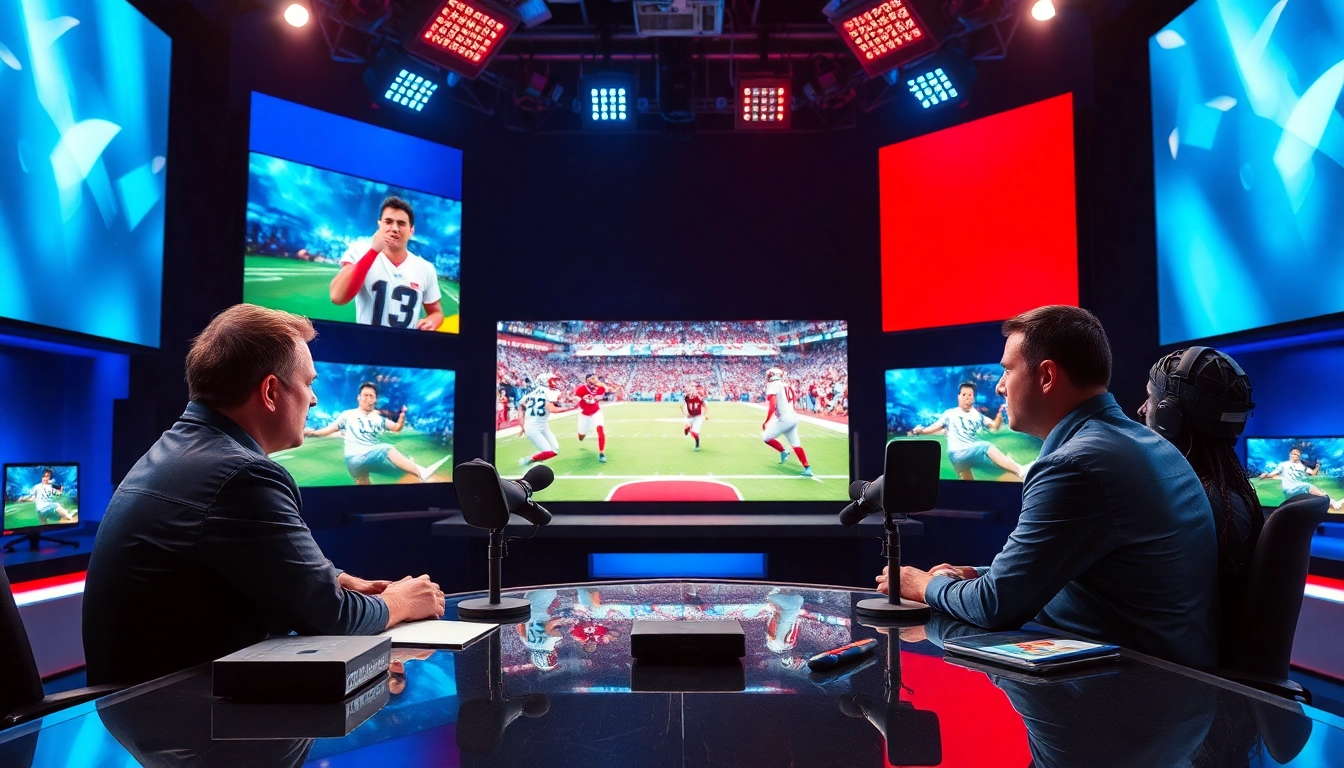
Introduction to Sports Broadcasting
Sports broadcasting has transformed significantly over the last few decades, evolving from simple radio broadcasts to a multi-faceted digital environment that reaches millions. This comprehensive exploration delves into the various aspects of the industry, helping you understand not only what sports broadcasting entails but also its importance in a global context. From local games to international tournaments, the dynamics of delivering sports content shape how fans experience their favorite events. Whether you’re a budding broadcaster, a sports enthusiast, or a business professional trying to leverage sports broadcasting for marketing, understanding the landscape is crucial. For more information, you can visit Sports Broadcasting.
Understanding the Role of Sports Broadcasting
At its core, sports broadcasting serves as the bridge between athletic events and audiences. Broadcasters curate content, offer commentary, and provide insights—even beyond the play-by-play—allowing fans to immerse themselves more deeply in the experience. This role stretches far beyond mere transmission; it includes engaging viewers with stories, statistics, and emotional narratives that enhance interest in the sport. Broadcasters are tasked with presenting the sport in its most entertaining and informative light, creating a relationship between fans and their teams or athletes.
The Evolution of Sports Broadcasting
The journey of sports broadcasting began with simple radio transmissions of live sporting events. Over time, television adopted this model, revolutionizing fan engagement through visual storytelling. The late 20th century witnessed the introduction of cable television, offering dedicated sports channels and live broadcasting of events across various competitive sports. With the arrival of the internet, sports broadcasting has continued to evolve into streaming services and multimedia platforms, enhancing on-demand viewing and interactive experiences. Today, viewers can watch matches on various screens, from smartphones to large televisions, altering how sports content is consumed.
Key Players in the Industry
The sports broadcasting industry comprises multiple stakeholders, including networks, streaming platforms, sports leagues, and sponsors. Key networks have established partnerships with major leagues, negotiating broadcasting rights that secure exclusive content for viewers. New entrants in the market, particularly tech giants, have changed the landscape by introducing innovative platforms for accessing sports content. Additionally, advertising agencies play a crucial role in monetizing content through relevant promotional strategies that resonate with sports audiences.
Technology’s Impact on Sports Broadcasting
Technological advancements continually reshape the landscape of sports broadcasting. From high-definition broadcasts to virtual reality viewing experiences, technology has expanded the viewer experience and set new expectations for sports content.
Emerging Technologies in Sports Broadcasting
Emerging technologies such as artificial intelligence, machine learning, and 5G connectivity are creating new opportunities in sports broadcasting. AI is being utilized for automated highlights, real-time statistics, and advanced analytics, providing viewers with deeper insights during broadcasts. Machine learning algorithms can tailor content to individual viewer preferences, enhancing engagement. As 5G networks become more prevalent, they will enable seamless streaming and lower latency, ensuring viewers enjoy a smooth experience even in crowded venues.
Streaming Services vs. Traditional Broadcasting
The advent of streaming services has generated significant competition for traditional broadcasting. While cable networks offer comprehensive coverage, streaming platforms provide flexibility and convenience by allowing viewers to watch games on their own schedules. Moreover, many streaming services have begun offering unique features such as alternate commentary, interactive graphics, and social integration. Broadcasters must now navigate this shifting landscape, offering unique value propositions that differentiate them from their streaming counterparts.
Augmented Reality in Sports Broadcasting
Augmented reality (AR) enhances how fans interact with sports broadcasts, blending real-world elements with digital enhancements. Broadcasters can use AR to show player statistics during plays, visualize complex plays, or enhance viewer experiences in stadiums. As AR technology matures, we can expect an increase in its application within sports broadcasting, leading to more immersive viewing experiences that enrich fan engagement.
Audience Engagement Strategies
Effective audience engagement is vital in creating a loyal fan base. Broadcasters must find novel ways to connect with viewers and enhance their experience, especially in a crowded media landscape.
Building Community through Interactive Content
Interactive content such as polls, quizzes, and live chats encourages viewer participation, allowing fans to feel more connected to the broadcast. Broadcasters can incorporate these elements into their programming to engage viewers actively, providing a platform for fans to voice opinions or predictions. This community-building approach fosters goodwill and allows broadcasters to gather insights on viewer preferences.
Social Media’s Role in Sports Broadcasting
Social media platforms serve as powerful tools for amplifying sports broadcasts and enhancing audience engagement. Broadcasters can use these platforms to provide behind-the-scenes access, share live updates, and interact with fans in real-time. By creating compelling social media campaigns, broadcasters can drive audience engagement, encouraging fans to share their experiences and generate organic buzz around events.
Feedback Mechanisms for Live Events
Implementing feedback mechanisms allows broadcasters to gauge viewer satisfaction actively. Tools such as post-event surveys or real-time social media analysis help broadcasters understand fan preferences, identify areas for improvement, and adapt their strategies accordingly. This kind of responsive engagement can significantly enhance the overall viewing experience and strengthen the audience base.
Content Creation for Sports Broadcasting
Creating compelling content relevant to sports broadcasting requires a strategic approach that combines creativity with analytical insights. Broadcasters must craft stories that resonate with audiences while delivering factual content.
Storytelling Techniques in Sports Broadcasting
Storytelling is integral to sports broadcasting, helping to generate excitement and emotional connections. Broadcasters can leverage narratives around athletes, teams, and rivalries to create compelling content. Techniques such as character development, conflict resolution, and emotional arcs can be employed to engage viewers, transforming a game into an unforgettable story. This approach elevates the viewing experience and enhances the bond between fans and their favorite sports.
Creating Highlights and Recaps
Highlights and recaps serve as crucial content that keeps fans engaged, especially those who cannot watch entire games. Leveraging technology to compile these highlights intelligently can offer viewers an engaging snapshot of the game. Successful highlights should capture pivotal moments while providing context, ensuring viewers walk away with a comprehensive understanding of the competition. These bite-sized pieces of content can be shared across multiple platforms, driving further engagement.
This Week in Sports: Feature Segments
Weekly feature segments offer a fantastic opportunity to dive deeper into sports stories, athletes, and events. This format allows for comprehensive analysis and commentary, catering to both dedicated fans and casual viewers. Incorporating guest analysts, live interviews, and interactive discussions can enhance these segments, fostering a richer understanding of sports matters and expanding viewer interest.
Measuring Success in Sports Broadcasting
Measuring success in sports broadcasting involves a focused approach that goes beyond traditional metrics. Understanding audience engagement and content performance is essential to refining strategies and increasing viewer loyalty.
Key Performance Indicators for Broadcasters
Establishing key performance indicators (KPIs) is essential for assessing the effectiveness of sports broadcasts. Metrics such as viewership numbers, audience retention rates, and demographic information provide actionable insights into what works well and what could be improved. Broadcasters must tailor their KPIs to align with their strategic objectives, tracking progress over time to gauge success.
Analyzing Audience Metrics
Diving deep into audience metrics allows broadcasters to track engagement and performance accurately. Utilizing advanced data analytics tools can help identify viewer preferences, peak viewing times, and overall demographics. Understanding these patterns facilitates targeted programming and strategic content efforts, enhancing engagement across various audience segments.
Adapting Based on Viewer Feedback
Actively soliciting and analyzing viewer feedback can significantly enhance the sports broadcasting experience. This feedback can come from various sources, including social media commentary, surveys, or direct viewer interactions. Broadcasters should use this information to make informed decisions regarding programming choices, content delivery methods, and audience engagement strategies, ensuring they continue meeting viewers’ needs effectively.
FAQs about Sports Broadcasting
What is sports broadcasting?
Sports broadcasting refers to the live or recorded transmission of sporting events through various media, including television, radio, and online streaming platforms, aimed at engaging audiences worldwide.
How does technology influence sports broadcasting?
Technology enhances sports broadcasting by enabling high-definition streaming, interactive content, and real-time data, transforming traditional broadcasting into immersive viewing experiences for fans.
What are effective audience engagement strategies in sports?
Effective strategies include leveraging social media for live updates, interactive content for viewer participation, and feedback mechanisms to adapt programming based on viewer preferences.
Why is storytelling important in sports broadcasting?
Storytelling enriches the viewing experience by providing context, emotional connections, and deeper engagement with the sport, transforming regular games into captivating narratives for audiences.
How can broadcasters measure success?
Broadcasters measure success through key performance indicators, audience metrics, and viewer feedback. Analyzing these elements helps assess viewer engagement and make informed programming decisions.